Explore how network monitoring boosts operational efficiency and strengthens security. Learn key benefits, best practices, and answers to common questions.
Understanding Network Monitoring
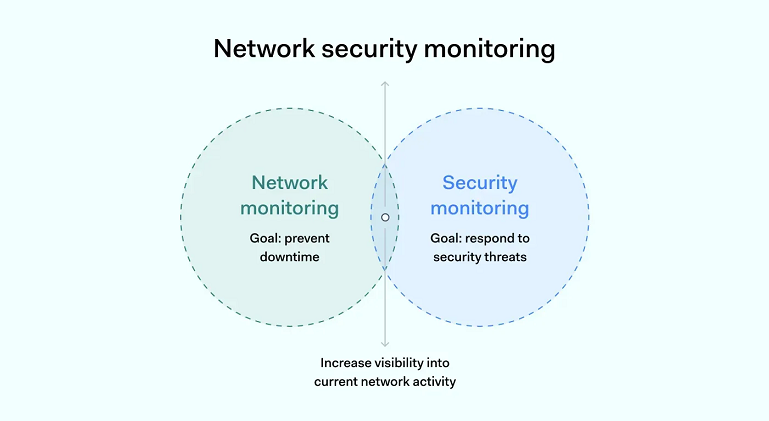
Network monitoring is the continuous observation and analysis of a computer network’s performance, health, and security. It involves tracking devices, traffic, and applications to detect issues, prevent failures, and spot potential threats. This approach is vital for organizations that rely on stable and secure network operations. With the rapid growth of digital transformation, networks have become more complex, making monitoring a crucial part of daily IT management.
Monitoring tools gather data from routers, switches, firewalls, and endpoints to provide a comprehensive view of network health. This enables organizations to act quickly when problems arise, reducing the risk of unexpected downtime or data loss.
Key Benefits for Businesses
Implementing network monitoring offers several advantages. By proactively identifying problems, organizations can reduce downtime and maintain productivity. To learn more about the benefits of implementing network monitoring in business, it’s important to consider how it also helps maintain compliance and support business continuity strategies. In addition to preventing outages, monitoring helps IT teams optimize network resources by identifying underused or overloaded devices.
This means businesses can avoid unnecessary hardware purchases and allocate resources more efficiently. Network monitoring also supports remote work by ensuring employees have reliable access to the tools and systems they need.
Improving Operational Efficiency
Network monitoring tools give IT teams real-time visibility into network activity. This helps them quickly detect slowdowns, bottlenecks, or outages. By addressing these issues before they impact users, businesses avoid costly disruptions and maintain smooth daily operations. The National Institute of Standards and Technology highlights how monitoring helps organizations meet performance goals. In addition, network monitoring can automate many routine tasks, such as performance checks and device configuration.
This frees up IT staff to focus on more strategic projects. Automated alerts and dashboards make it easier to spot trends and recurring issues, helping organizations plan upgrades or maintenance more effectively. Over time, this leads to a more efficient and reliable IT environment.
Strengthening Security Through Monitoring
Security threats are constantly evolving. Network monitoring plays a key role in detecting unauthorized access, malware, or suspicious behavior. Automated alerts notify staff of unusual activity, enabling quick investigation and response. This reduces the risk of data breaches and limits the impact of attacks. Regular monitoring also helps organizations meet regulatory cybersecurity requirements.
As cybercriminals use more advanced techniques, monitoring tools can spot subtle changes in network traffic that might indicate a threat. By keeping a detailed log of all network activity, organizations can quickly trace the source of incidents and take steps to prevent future attacks. The Federal Trade Commission recommends regular network monitoring as part of a strong security program.
Supporting Compliance and Reporting
Many industries require strict compliance with data protection and privacy laws. Network monitoring provides the necessary logs and reports to demonstrate compliance. These records can be critical during audits or investigations. Consistent monitoring also helps identify patterns and trends, making it easier to adjust policies and strengthen defenses over time. In sectors like healthcare and finance, regulations often mandate ongoing monitoring to protect sensitive information.
Monitoring tools can generate automated reports that detail network activity, security events, and response actions. This documentation not only satisfies auditors but also helps organizations identify areas for improvement. By having a clear record of network events, businesses are better prepared to respond to incidents and meet evolving legal requirements.
Best Practices for Effective Network Monitoring
To get the most from network monitoring, organizations should define clear policies and procedures. This includes setting up alerts for critical events, regularly updating monitoring tools, and training staff. Automated systems can help manage large and complex networks. For more guidance, the SANS Institute offers detailed recommendations for monitoring strategies. It’s also important to segment the network to limit the spread of potential threats and to monitor all entry points, including remote and wireless connections.
Regularly reviewing monitoring data helps identify long-term trends and emerging risks. Organizations should also test their monitoring systems to ensure alerts are accurate and actionable. By involving both IT and security teams in the monitoring process, businesses can create a more coordinated response to incidents. Ongoing training ensures that staff can interpret alerts correctly and respond quickly when issues arise.
Choosing the Right Network Monitoring Tools
Selecting the right network monitoring tools depends on the size and complexity of your network. Some businesses need basic solutions that monitor traffic and device health, while others require advanced systems with analytics, automation, and integration with other IT tools. It’s important to evaluate features like scalability, ease of use, and support for different devices.
Consider whether the tool offers cloud-based or on-premises deployment, depending on your organization’s needs. Look for solutions that offer clear dashboards, customizable alerts, and detailed reporting. Reading independent reviews and consulting resources from industry associations like ISACA can help inform decision-making. Testing tools in a pilot environment before full deployment can also prevent costly mistakes.
Network Monitoring in the Era of Remote Work
The shift to remote and hybrid work has increased the importance of network monitoring. With employees connecting from various locations, networks face new challenges such as increased traffic, more endpoints, and potential security gaps. Monitoring helps IT teams ensure that remote connections are secure and that performance remains stable for all users.
It also allows for the quick detection of unauthorized devices or unusual activity from outside the corporate network. As organizations adopt more cloud services, monitoring tools must be able to track both on-premises and cloud-based resources. This ensures that business operations continue smoothly, regardless of where employees are working.
The Role of Artificial Intelligence in Network Monitoring
Artificial intelligence (AI) and machine learning are increasingly used in network monitoring to improve detection and response. AI can analyze large volumes of network data to identify patterns that might indicate performance issues or security threats. By learning from past incidents, AI-driven tools can predict potential problems and recommend solutions before they impact the organization.
This proactive approach helps businesses stay ahead of emerging risks and reduces the burden on IT staff. AI also enables more accurate alerting, minimizing false positives and ensuring that teams focus on real threats. As networks continue to grow in complexity, AI will play a bigger role in keeping them secure and reliable.
Conclusion
Network monitoring is essential for both operational efficiency and robust security. By providing real-time insights, it helps organizations minimize downtime, detect threats early, and maintain compliance. Adopting best practices ensures that businesses stay resilient in the face of evolving challenges. As technology advances and networks become more complex, the importance of effective monitoring will only continue to grow. Investing in the right tools and training is key to building a secure, efficient, and future-ready IT environment.
FAQ
What is the main purpose of network monitoring?
The main purpose is to track the health, performance, and security of a network to prevent issues and respond quickly to threats.
How does network monitoring help reduce downtime?
It identifies problems early, allowing IT teams to fix issues before they cause major disruptions to operations.
Can network monitoring detect cyberattacks?
Yes, it can spot unusual activity or unauthorized access, alerting staff to possible cyber threats.
Is network monitoring necessary for small businesses?
Yes, all organizations benefit from network monitoring as it protects against outages and security risks, regardless of size.
What types of data can network monitoring track?
It can track device health, network traffic, application performance, and security events.
How often should network monitoring be reviewed?
Network monitoring should be reviewed regularly, at least monthly, to ensure alerts are functioning and policies remain effective.
Does network monitoring impact network performance?
Modern monitoring tools are designed to minimize performance impact, but it’s important to configure them properly to avoid unnecessary load.
What is the difference between passive and active network monitoring?
Passive monitoring observes network traffic without injecting data, while active monitoring sends test packets to measure performance and detect issues.