One place for two difficult battles
Many people who struggle with addiction also live with anxiety disorders, including obsessive–compulsive disorder, and treating only one problem rarely brings full recovery. A centre that offers both OCD Treatment and de‑addiction care allows clinicians to look at the whole person instead of just their symptoms. At a comprehensive facility such as Trucaretrust, this means support for cravings, compulsions and emotional distress under one calm, residential setting on Mumbai’s Yeoor Hills.
Understanding OCD alongside addiction
OCD involves intrusive thoughts and repetitive behaviours that are carried out to reduce anxiety, but provide only short‑term relief. Substances are frequently used as a different coping strategy for fear, guilt, or shame, which over time can worsen both illnesses. Clinicians assist patients in understanding that they are dealing with treatable brain-based disorders rather than personal weakness by explaining how urges, compulsions, and dependent habits strengthen one another.
A healing environment that supports change
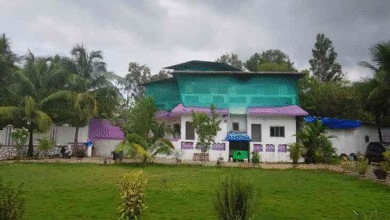
Recovery asks a lot from the body and mind, so the space in which treatment happens matters. In order to mix intense treatment with healthy rest, Trucaretrust runs a beautiful residential campus in Thane that is surrounded by greenery and features amenities including a gym, library, pool table, organic farming grounds, and a swimming pool. Instead of feeling punished or imprisoned, people can more easily settle in, sleep better, and stay active with their program when they have nice beds and open lawn areas.
Evidence‑based OCD Treatment on site
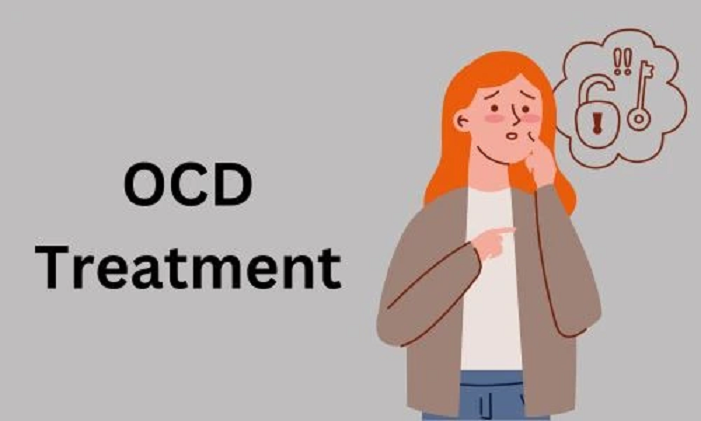
The center’s tailored OCD treatment is generally based on cognitive behavioural therapy and exposure and response prevention, which gradually teaches patients to face their fears without participating in routines. When necessary, doctors may also recommend antidepressants or anti-anxiety drugs, closely watching doses to ensure that people in recovery are supported rather than numbed. Intrusive thoughts are addressed when clients work on alcohol or drug use triggers since these programs are kept under the same roof as addiction therapy.
Integrated care at a nashamuktikendra in Mumbai
Offering organised programs for alcohol, drug, and mental problems, including medical treatment, one-on-one guidance, group therapy, and relapse prevention planning, the company is a major nasha mukti kendra in Mumbai. When a patient also has OCD or another mental health problem, the team forms a joint plan so that lifestyle coaching, drug schedules, and therapy sessions all work together rather than against one another. This “dual‑diagnosis” approach reduces the chance that untreated anxiety will push a person back toward substances once they leave residential care.
Families involved, not left outside
Involving family members in the healing process is important because both addiction and obsessive-compulsive disorder have an effect on relationships, habits, and funds. OCD urges, compulsions, and needs are explained in education and therapy classes offered by Trucaretrust, along with examples of helpful reactions at home. Instead of feeling helpless on the sidelines, families become active partners in sustaining progress as they learn to speak without blame and to set clear, caring bounds.
Building daily routines that actually last
Long‑term success depends on what happens after discharge as much as what happens in therapy rooms. Establishing normal sleep, exercise, and eating routines, practicing awareness or meditation, and finding hobbies unrelated to drugs or traditions are also recommended. In addition to follow-up meetings and support calls, staff members help each person in changing these practices into a visible recovery plan so that the rehabilitation center’s structure gradually changes into a healthy self-structure.
Why one caring roof makes recovery easier
It can be exhausting to drive between many clinics for therapy, de-addiction treatments, and mental care, especially when desire is weak. At Trucaretrust, a joint program combines psychiatrists, psychologists, addiction experts, and support staff into a single, unified team that trades data and patient goals. This means fewer breaks, less doubt, and a more clear, caring road towards a stable, drug-free life for someone living with both addiction and OCD.