Emergencies can create panic, confusion, and hesitation, especially for individuals who have never experienced one. Whether an accident happens at home, in the workplace, during sports activities, or in public spaces, people often struggle to stay calm when they are unsure how to help. Combined emergency training programs are becoming increasingly valuable because they teach practical response skills while also helping participants develop confidence under pressure.
Learning CPR together with broader first aid techniques provides individuals with a more complete understanding of emergency management. This balanced approach is helping more people react calmly, make clearer decisions, and feel better prepared during stressful situations.
Confidence Comes From Practical Preparation
One of the biggest reasons people panic during emergencies is uncertainty. When individuals do not know what steps to take, stressful situations can quickly become overwhelming. Combined emergency training helps reduce this fear by teaching structured response methods through realistic practice and guided instruction.
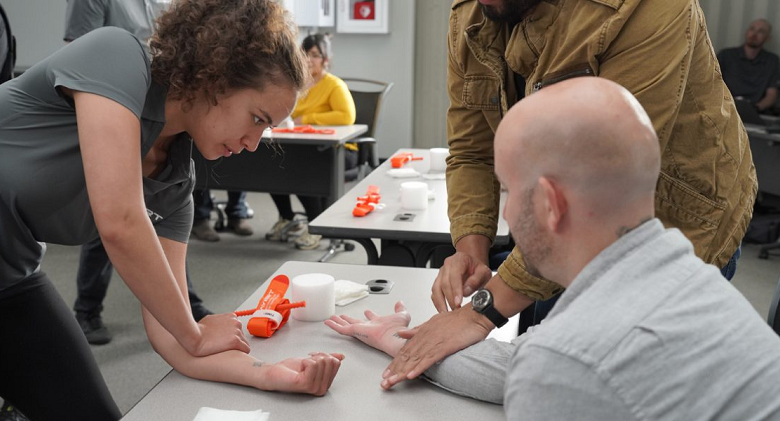
Training providers such as Fast First Aid focus on helping participants become familiar with common emergency scenarios through practical exercises rather than relying only on theoretical learning. Repeated practice allows learners to feel more comfortable with emergency procedures, which improves their ability to stay calm when real situations occur.
This practical preparation often creates a stronger sense of control during high-pressure moments.
Combined Training Provides Broader Understanding
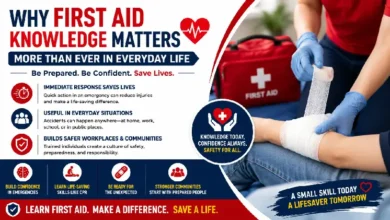
Learning CPR alone is valuable, but combining CPR education with wider first aid skills gives participants a more complete emergency response foundation. People learn how to manage injuries, assess situations, communicate with emergency services, and provide immediate support before professional medical help arrives.
A comprehensive first aid course teaches participants how different emergency situations may require different responses. This broader understanding helps individuals feel more prepared for a variety of incidents instead of focusing on only one specific procedure.
Participants often gain confidence knowing they can respond to both minor injuries and more serious medical emergencies.
Calm Responses Can Improve Emergency Situations
Remaining calm during emergencies is important because panic can affect decision-making and communication. Individuals who stay composed are more likely to assess situations clearly, follow proper procedures, and provide reassurance to injured people nearby.
Combined emergency training encourages participants to think step by step rather than reacting emotionally. Practical exercises help learners become familiar with emergency situations in controlled environments, reducing the fear of uncertainty.
This familiarity allows people to respond more steadily during real incidents, which may help create safer and more organised emergency responses overall.
Families Benefit From Practical Emergency Skills
Many parents and caregivers complete combined emergency training because they want to feel more prepared when looking after children or elderly relatives. Home environments can involve situations such as falls, burns, choking incidents, or sudden medical emergencies that require immediate attention.
Practical training helps families feel more confident handling these situations calmly while waiting for professional assistance. Parents often appreciate learning how to respond effectively rather than relying entirely on instinct during stressful moments.
The increasing popularity of first aid course Cannon Hill programs reflects how local communities are prioritising accessible emergency preparedness education for families and caregivers.
Workplaces Value Calm And Prepared Employees
Businesses are also recognising the importance of emergency response confidence within workplace environments. Employees trained in both CPR and first aid are often better prepared to support coworkers, customers, or visitors during unexpected incidents.
Combined training encourages teamwork, communication, and practical problem-solving skills that benefit the workplace safety culture overall. Staff members who feel more prepared are less likely to panic during emergencies and more likely to follow appropriate response procedures.
Practical Learning Improves Skill Retention
Modern emergency training programs emphasise hands-on learning because active participation improves both confidence and memory retention. Learners practice techniques repeatedly through demonstrations, realistic scenarios, and supervised exercises.
This interactive approach helps participants understand how emergency procedures apply in real situations rather than simply memorising information. People often remember skills more effectively when they physically practice them during training.
Practical learning also helps individuals feel more capable of applying their knowledge outside the classroom setting.
Community Preparedness Continues Growing
Public awareness surrounding emergency preparedness has increased significantly in recent years. Communities are recognising that trained bystanders may play an important role during the first moments of emergencies before professional responders arrive.
As a result, more people are seeking combined emergency training programs that provide practical, flexible, and realistic education. These programs help individuals build confidence while supporting safer homes, workplaces, schools, and public spaces.
Conclusion
Combined emergency training helps people respond more calmly by providing practical knowledge, hands-on experience, and greater confidence during stressful situations. Learning CPR alongside broader first aid techniques prepares individuals to handle a wider range of emergencies with clearer thinking and improved awareness.