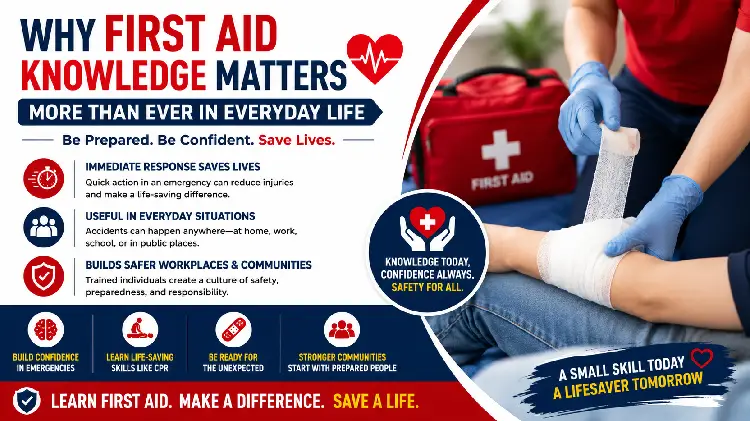
In today’s fast-paced world, emergencies can happen at any moment. From workplace accidents to sudden medical situations at home, the ability to respond quickly and effectively has become increasingly valuable. First aid knowledge is no longer limited to healthcare professionals. It is now considered an essential life skill that can help protect families, coworkers, and communities during unexpected situations.
Modern lifestyles often involve busy schedules, crowded public spaces, and high-stress environments. These factors can increase the likelihood of accidents or health emergencies occurring in everyday settings. Whether someone experiences a fall, choking incident, allergic reaction, or cardiac emergency, immediate assistance before professional medical help arrives can make a significant difference.
The Importance of Immediate Responsen
One of the most important reasons first aid knowledge matters is the speed of response. During emergencies, every second counts. A person trained in basic first aid can stabilise injuries, reduce complications, and sometimes even save lives before paramedics arrive on the scene.
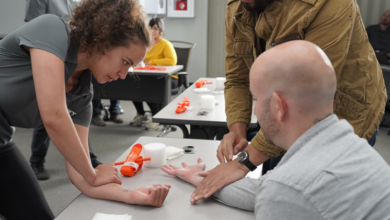
Simple actions such as controlling bleeding, performing CPR, or helping someone recover from shock can greatly improve outcomes. Many people feel helpless during emergencies because they lack the confidence or training to act appropriately. Completing a first aid course gives individuals the confidence to remain calm and make informed decisions under pressure.
First Aid Skills in Everyday Situations
Emergencies do not only happen in hospitals or dangerous workplaces. They often occur in ordinary daily environments such as homes, schools, gyms, restaurants, and shopping centres. Children may experience injuries while playing, older adults may face sudden health complications, and workers can encounter unexpected accidents on the job.
Having first aid knowledge allows people to react quickly in these situations rather than waiting passively for help. Parents, teachers, office employees, fitness instructors, and community volunteers all benefit from understanding essential emergency response techniques.
In many industries, safety training has also become a key requirement for professional development. Individuals pursuing qualifications like Certificate IV in Training and Assessment often discover the importance of combining instructional skills with workplace safety awareness. When trainers and teachers know how to handle emergencies, they can make the classrooms safer for everyone, including students and staff.
Building Safer Workplaces and Communities
Businesses today place greater emphasis on employee wellbeing and workplace safety than ever before. Organisations recognise that trained staff members can reduce risks and improve emergency preparedness across the workplace. This is especially important in industries involving physical labour, machinery, hospitality, childcare, and public interaction.
First aid training encourages responsibility and teamwork. Employees who understand emergency procedures often feel more prepared and confident in their roles. This can contribute to stronger workplace morale and a safer overall environment.
Communities also benefit when more individuals possess first aid knowledge. In public emergencies, bystanders are often the first people available to assist before professional responders arrive. Communities with widespread first aid awareness are generally better equipped to handle unexpected situations effectively.
The Growing Demand for Practical Training
The increasing demand for practical, career-focused education has led many individuals to pursue specialised training programs that combine professional qualifications with real-world readiness. Courses such as Certificate IV in Training and Assessment Adelaide are becoming popular among people seeking leadership, instructional, and workplace development opportunities.
These programs often highlight the importance of communication, responsibility, and safety practices within professional settings. Individuals working in education and vocational training are expected to promote safe learning environments, making emergency preparedness an important part of their overall skill set.
Confidence That Extends Beyond Emergencies
Perhaps one of the most overlooked benefits of first aid education is the confidence it creates in daily life. Knowing how to respond during critical situations can reduce panic and encourage calm decision-making. This confidence extends into workplaces, public settings, and even personal relationships.
People with first aid knowledge are often viewed as dependable and prepared individuals within their communities. Their ability to assist during emergencies reflects leadership, awareness, and responsibility.
Conclusion
First aid knowledge has become more important than ever because emergencies can occur anywhere and at any time. The ability to respond quickly can save lives, reduce injuries, and create safer environments for everyone. As workplaces and communities continue prioritising safety and preparedness, first aid training remains one of the most practical and valuable skills a person can learn. Whether for personal confidence, career growth, or community support, first aid education continues to play a vital role in everyday life.