Emergency situations rarely come with warnings. Whether it is a minor injury at home, a workplace accident, or a sudden medical condition, the ability to respond quickly can make a critical difference. This is why developing first aid skills is not just a recommendation but a necessity for individuals and communities alike. In a growing and active city like Perth, being prepared for emergencies begins with proper training and awareness.
The Importance Of Being Prepared
Everyday life involves risks that often go unnoticed until something unexpected occurs. Emergency situations can occur in any location, from minor accidents like slips and falls to more severe incidents like cardiac arrest. Being prepared means having both the knowledge and confidence to act without hesitation. Learning first aid equips individuals with practical skills that allow them to stabilise a situation until professional help arrives.
In Perth, where outdoor activities, workplaces, and public gatherings are common, emergency readiness becomes even more essential. The ability to provide immediate care can prevent complications, reduce recovery time, and in many cases, save lives.
Understanding Core First Aid Skills
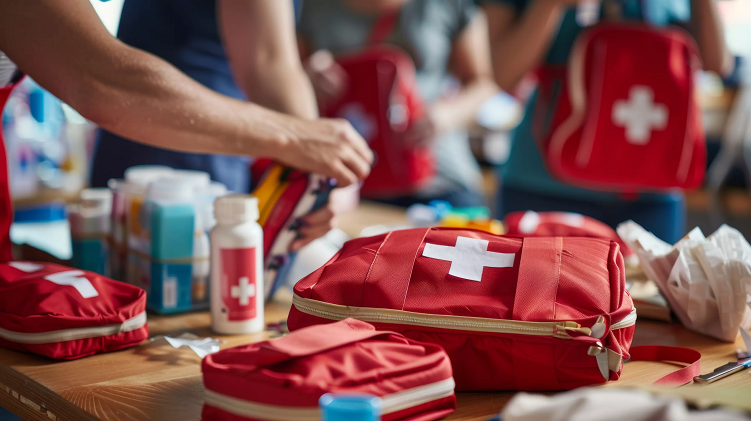
First aid training covers a wide range of essential techniques designed to address different types of emergencies. These include treating cuts and burns, managing fractures, controlling bleeding, and assisting individuals who are unconscious. Each of these abilities is essential for minimising damage and guaranteeing safety.
One of the most critical aspects of training involves learning fast first aid and CPR, which focuses on responding quickly and effectively during life-threatening situations. This type of training emphasises speed, accuracy, and calm decision-making, all of which are crucial when every second counts.
The Role Of CPR In Saving Lives
Cardiopulmonary resuscitation is one of the most important life-saving techniques taught in first aid courses. It is used when someone’s breathing or heartbeat has stopped, often due to cardiac arrest or drowning. Immediate action through CPR can maintain blood flow to the brain and vital organs until medical professionals arrive.
Programs that focus on fast CPR techniques ensure that individuals are not only familiar with the process but can also perform it efficiently under pressure. Practising these skills regularly helps build muscle memory, allowing responders to act instinctively during emergencies.
Building Confidence Through Training
One of the biggest barriers to helping in an emergency is hesitation. Many people fear doing something wrong, which can delay critical action. Proper training removes this uncertainty by providing clear guidance and hands-on practice.
Courses designed around first aid Perth standards are tailored to meet local needs and regulations. They offer realistic scenarios that prepare participants for real-world situations. Consequently, individuals develop a sense of self-assurance in their abilities and are more inclined to provide assistance when necessary.
Workplace And Community Benefits
First aid skills are not just valuable for individuals but also for organisations and communities. Workplaces that prioritise emergency training create safer environments for employees and visitors. Having trained staff on site ensures that immediate assistance is available in case of accidents.
Communities also benefit when more people are equipped with first aid knowledge. It creates a network of capable responders who can support one another during emergencies. This collective preparedness strengthens overall safety and resilience.
Keeping Skills Updated
First aid practices and guidelines can evolve over time, making it important to stay updated with the latest techniques. Regular refresher courses help reinforce knowledge and ensure that individuals remain confident in their abilities.
Staying current also means being aware of new tools and methods that can improve response effectiveness. Whether it is updated CPR techniques or improved first aid equipment, continuous learning plays a key role in maintaining readiness.
Conclusion
Emergency readiness is not something that can be achieved overnight. It requires commitment, training, and a willingness to take responsibility for the safety of others. First aid skills provide the foundation for this readiness, enabling individuals to respond quickly and effectively when it matters most. In Perth, where daily life presents a variety of situations that may require immediate care, investing in first aid training is a practical and impactful decision. By learning these essential skills, individuals not only protect themselves but also contribute to a safer and more prepared community.